Culture and Heritage

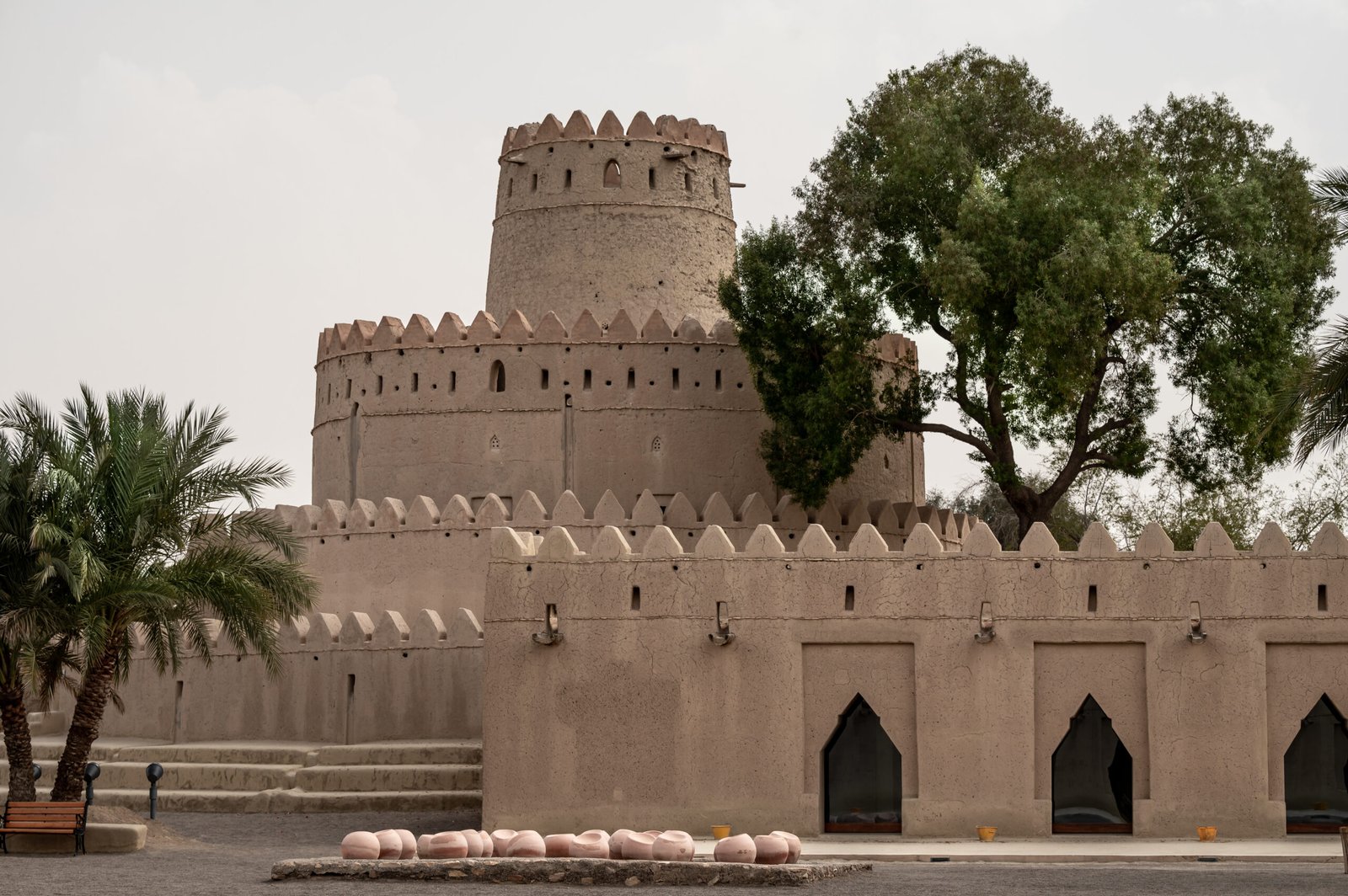
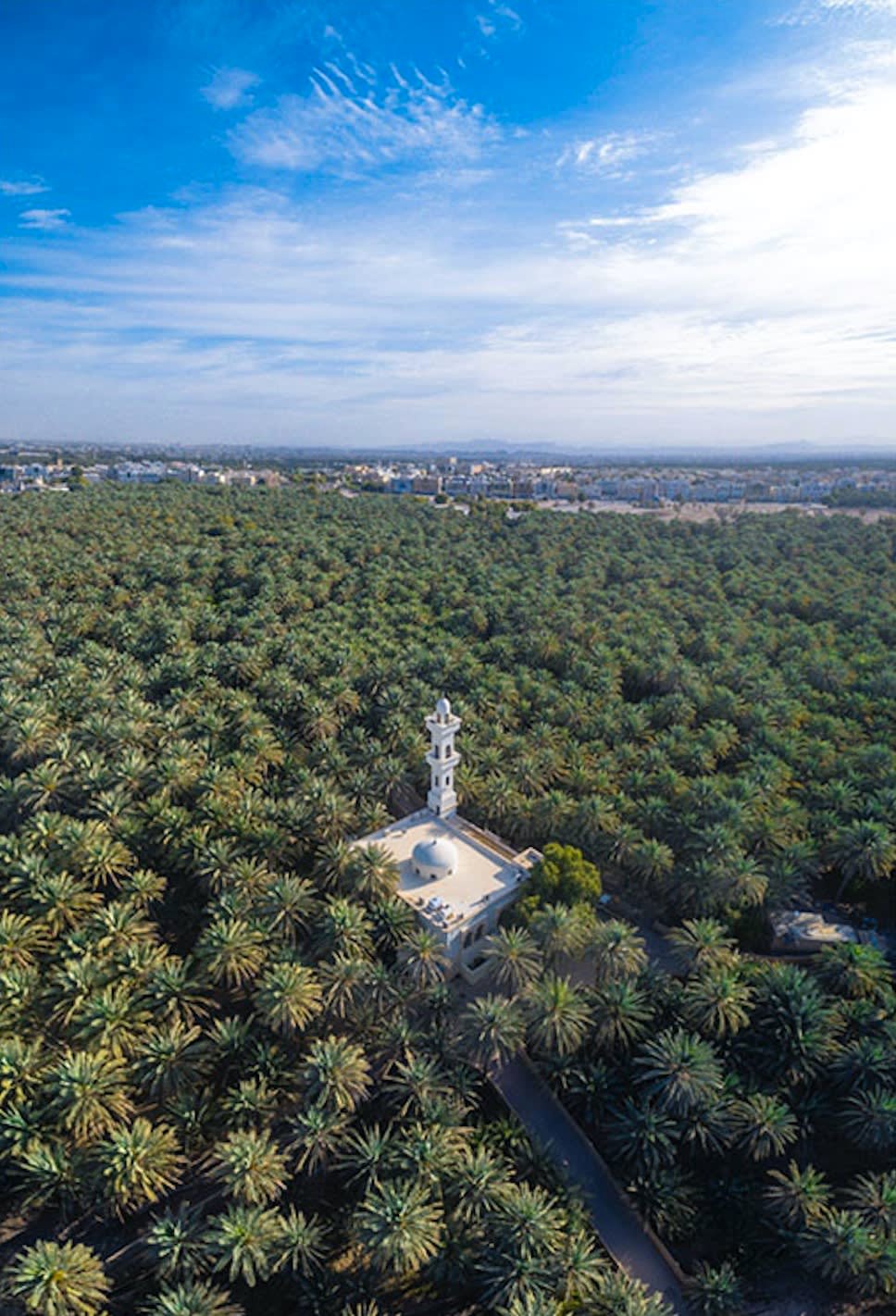
  • This oasis, which includes 147,000 palm trees irrigated with a traditional irrigation system, is located in the center of Al Ain.

  • Iron Age irrigation system

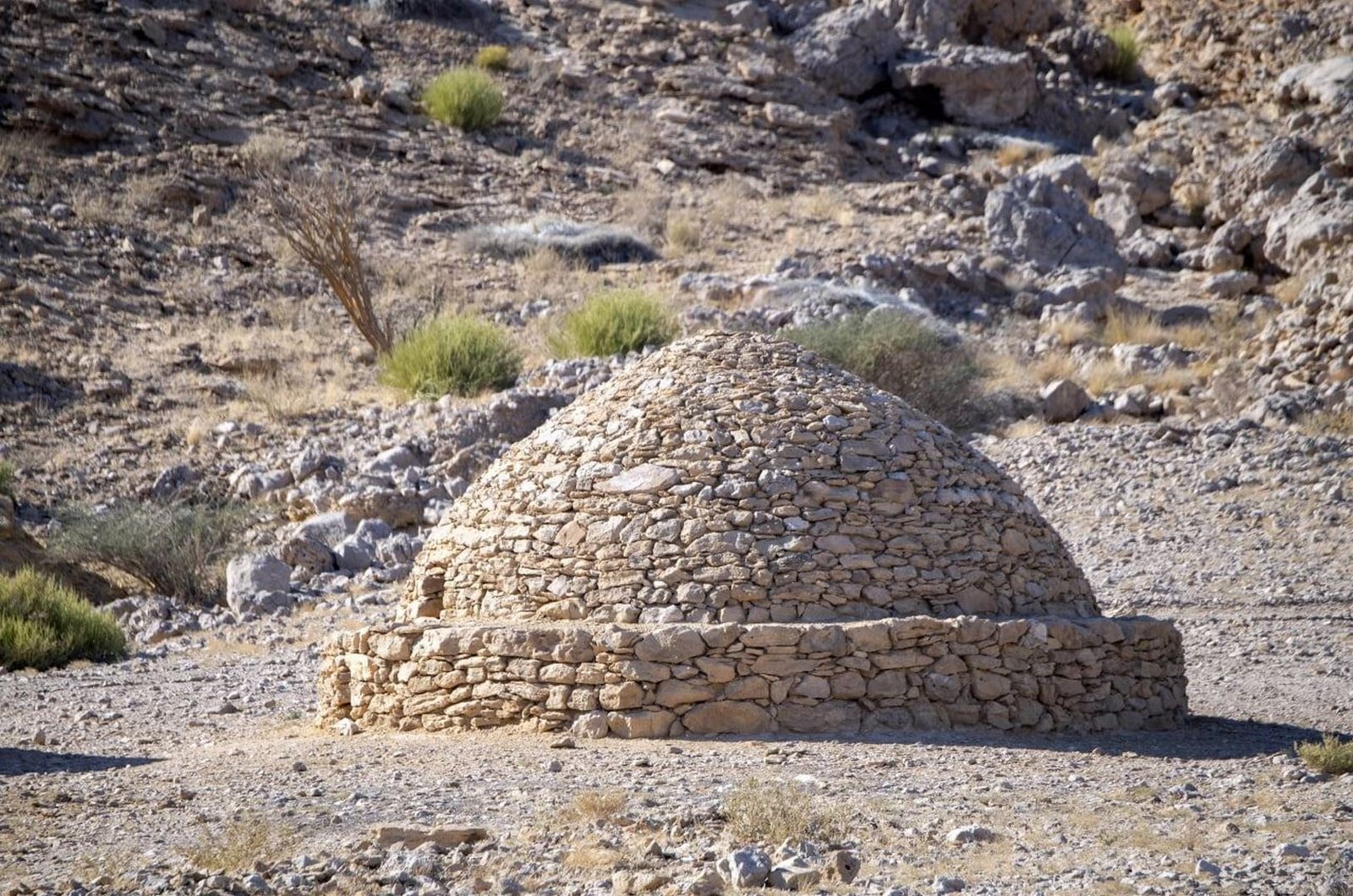
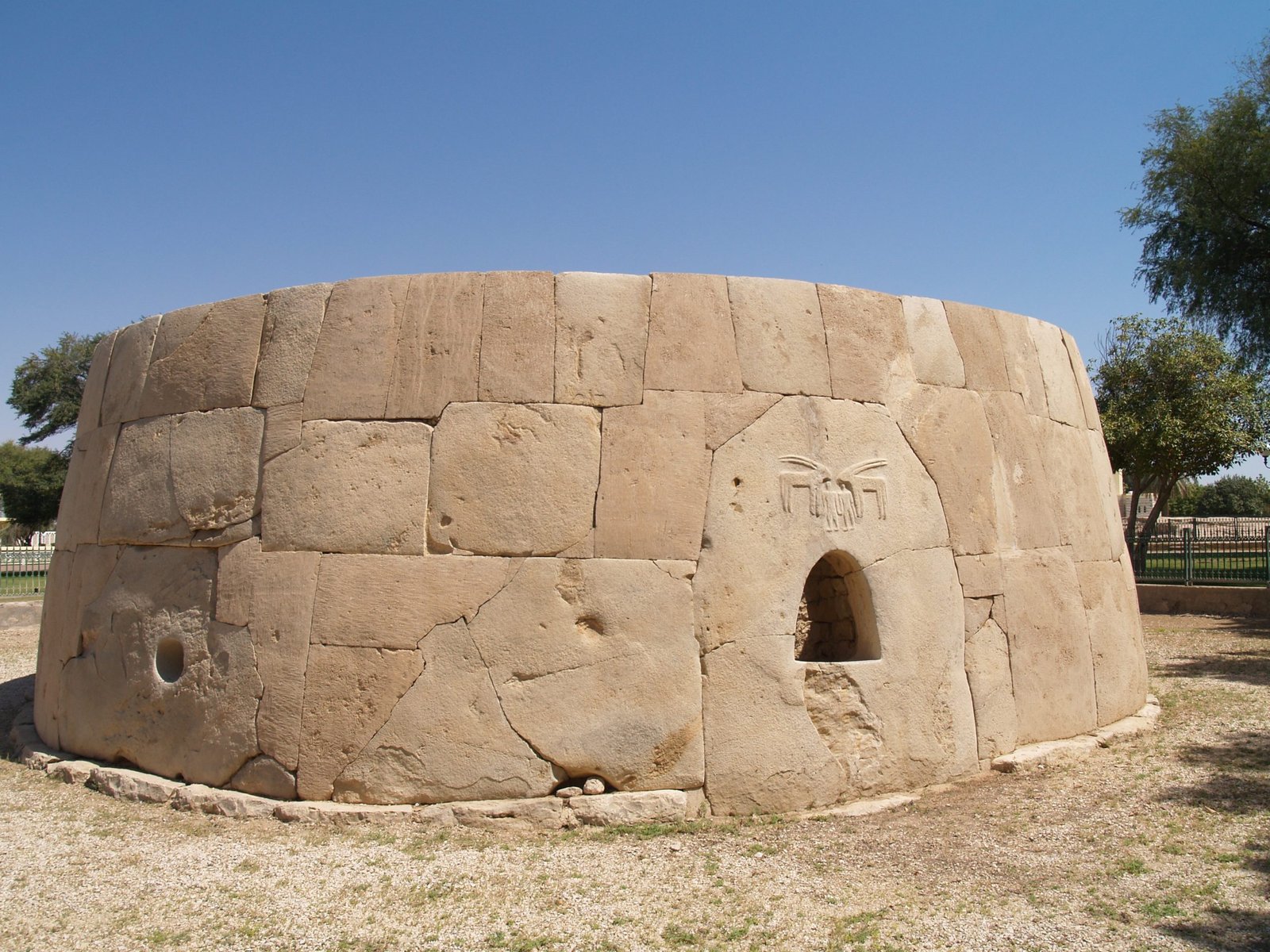
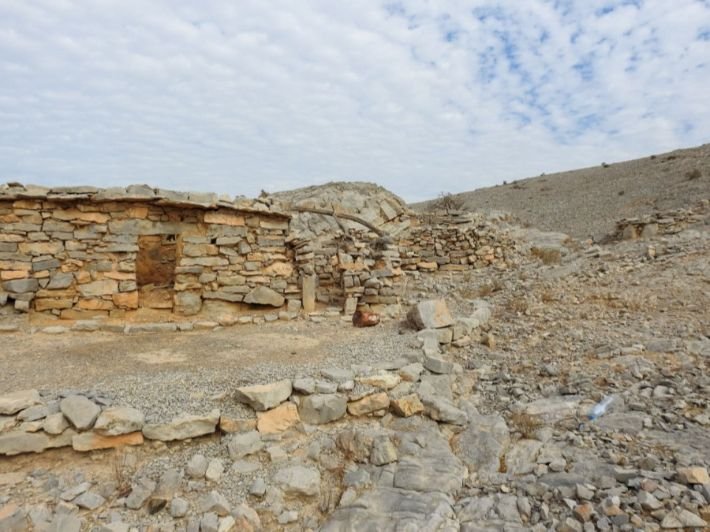
  • Bronze Age burials at Jebel Hafeet

  • Hili Sites: A glimpse into the Bronze and Iron Ages in Al Ain

Authenticity rooted in the heart of modernity

Emirati heritage constitutes a profound cultural legacy, blending ancient Arab and Islamic authenticity with the advanced modernity the country is experiencing. This rich heritage is not merely pages of history; it is a living fabric that is evident in all aspects of the daily lives of the Emirati people, affirming their national identity and pride in it. This heritage is embodied in an integrated set of elements that reflect the ancient social lifestyle, including:
  • Customs and traditions: from the etiquette of hospitality (such as coffee and dates), to rituals specific to marriage and religious celebrations, and supreme societal values ​​such as loyalty and solidarity.
  • Arts and fashion: such as the traditional dress of the kandura for men and the abaya and shayla for women, along with authentic handicrafts such as al-sadu and rug weaving, and oral folk arts such as al-nadba.
  • Food culture and professional heritage: including authentic cuisine derived from desert and marine environments, and traditional sports such as falconry and camel racing. and ships.
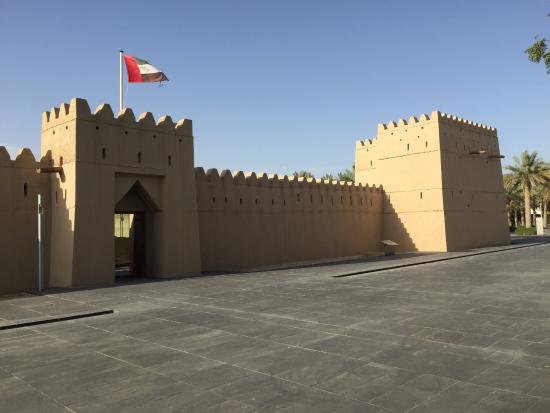
  • Historical Sites: These include architectural achievements that tell the history of the region, such as historic castles, forts, and mosques, in addition to ancient ports, falcon training centers, and traditional markets (such as gold and spices).
Emirati heritage represents the core of identity, viewed as a driving force that connects the bright present with the ancient past, ensuring the continuity of this heritage despite all modern transformations.

Quotes from UAE leaders on preserving Emirati heritage

"We continue on Zayed's path of preserving the sustainability of heritage in its material and moral aspects, so that it remains a fundamental pillar of the UAE's national identity."

His Highness Sheikh Mohammed bin Zayed Al Nahyan President of the United Arab Emirates - may God protect him

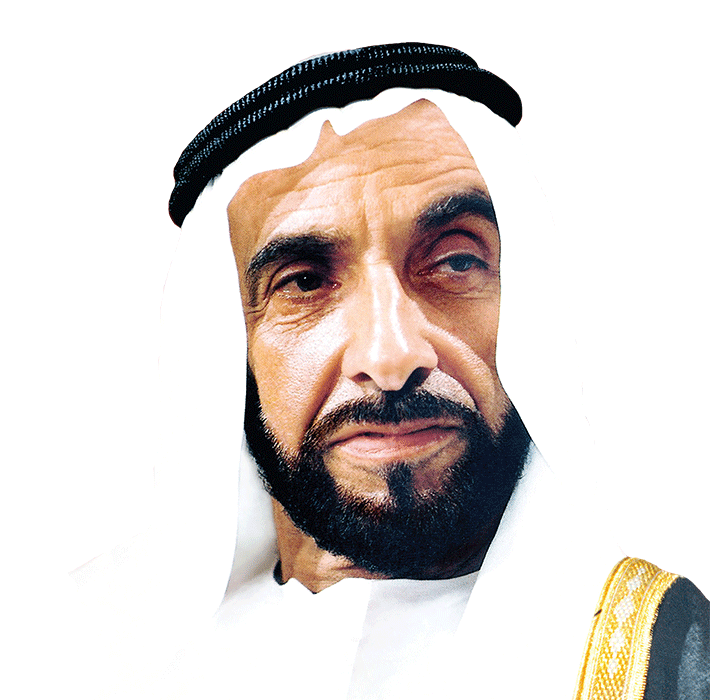
"He who does not know his past cannot live his present and future. From the past we learn, gain experience, and benefit from lessons and results."

Sheikh Zayed bin Sultan Al Nahyan May God bless his soul
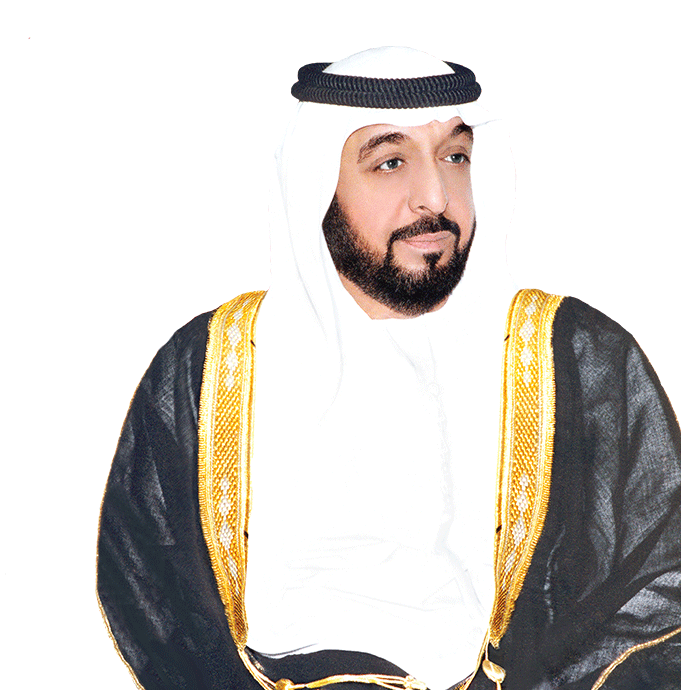
“When people boast about our achievements, we boast that we are Zayed Al Khair, and when people talk about history, we talk about a history of goodness that began with the establishment of our country.”

Sheikh Khalifa bin Zayed Al Nahyan May God bless his soul
State efforts to preserve national heritage and culture

Legislative and institutional framework

Specialized Authorities: Establish specialized institutions and bodies with broad powers at the federal and local levels, such as:

  • Ministry of Culture and Youth.
  • Department of Culture and Tourism – Abu Dhabi.
  • Sharjah Heritage Authority and Sharjah Institute for Heritage.
  • Hamdan Bin Mohammed Heritage Center in Dubai.

Laws and Policies: Enact the necessary laws to protect heritage, and launch specific policies such as the "National Policy for the Preservation of Modern Architectural Heritage" to document and protect buildings that reflect the renaissance period since the 1960s.

Protection of tangible and archaeological heritage
Archaeological and Architectural Sites:
  • اRestoration and Maintenance: Conducting periodic restoration and maintenance operations for historic forts, castles, mosques, and heritage buildings.
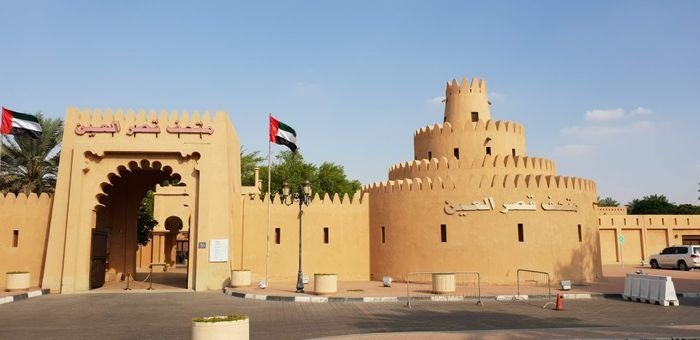
  • World Heritage: Protecting and registering archaeological sites, most notably the cultural sites of Al Ain (Al Ain Oases, Hafit, Hili and Al Badi Bint Saud), which have been inscribed on UNESCO’s World Heritage List.
  • اModern Architectural Heritage takes decisions to protect a number of modern architectural heritage sites and prevent their demolition in order to preserve the country's urban memory.
Museums and Heritage Villages:
  • Major Museums: Establishing international and local museums (such as the Zayed National Museum and the Louvre Abu Dhabi) to serve as centers of art and history.
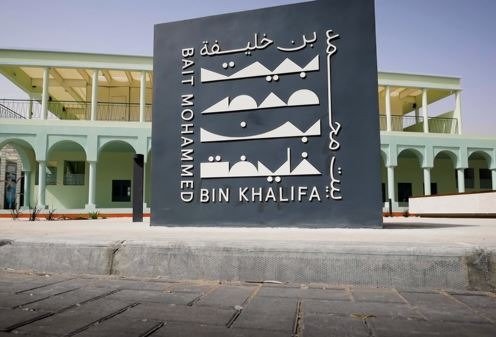
  • Heritage Villages: Establishing heritage villages in various emirates (such as Abu Dhabi, Al Ain, and Fujairah) to showcase traditional lifestyles, crafts, and ancient professions.
Preservation of oral and craft heritage (intangible)
It has effectively contributed to enriching the cultural and artistic scene.
  • Oral Documentation: Documenting and preserving oral narratives and the oral history of our ancestors through specialized programs.
  • Supporting Traditional Crafts and Arts:
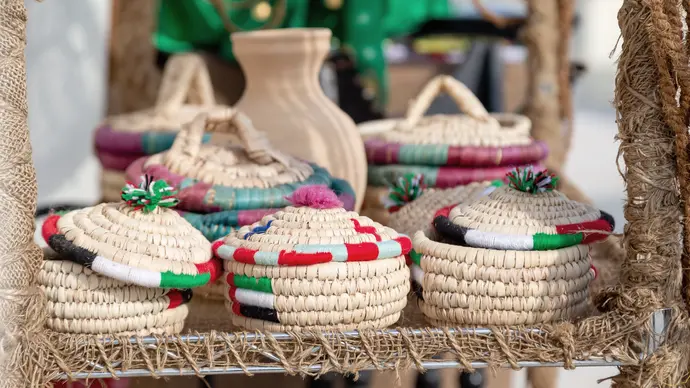
    • Craft Centers: Establishing centers and initiatives such as the "House of Artisans" to preserve traditional Emirati crafts and industries, such as Al-Sadu, Khoos, and Talli.
    • **Folk Arts: Supporting folk arts, poetic chants, and traditional music.
  • International Registration (UNESCO): Registering several intangible heritage elements on the UNESCO Representative List, the most important of which are:
    • Falconry (a traditional sport).
    • Majlis and Arabic coffee.
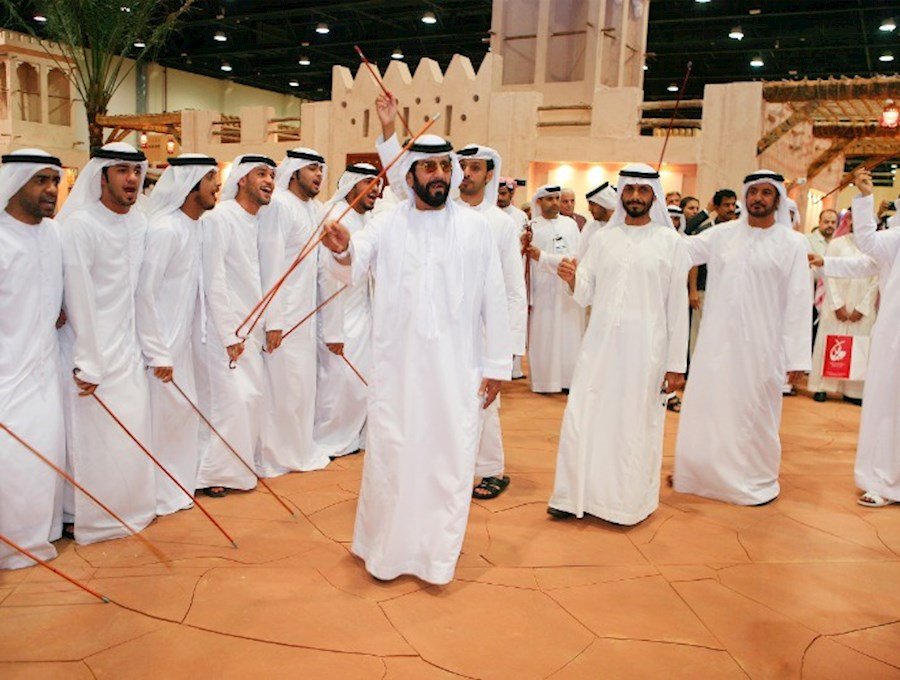
    • Performing arts such as Al-Ayyala and Al-Razfa.
    • Talli craft (traditional embroidery).
Education, awareness and festivals
  • Festivals and Celebrations: Organizing large-scale annual events and festivals aimed at reviving heritage and introducing it to future generations, most notably the Qasr Al Hosn Festival and the Sheikh Zayed Heritage Festival.
  • School Education and Awareness:
    • Curricula: Incorporating heritage concepts and values ​​into educational curricula to instill national identity among young people.
    • Campaigns: Launching awareness campaigns and summer programs (such as the "Our Authentic Heritage" campaign) to connect youth to heritage and the past.
  • Supporting Programs: Launching culture and creativity grant programs to support innovators and researchers in the field of heritage.

The main archaeological sites inscribed on the UNESCO World Heritage List in the United Arab Emirates

  • Cultural Sites of Al Ain, listed in 2011.
This site is a series of properties that include several archaeological and cultural sites in the city of Al Ain in the Emirate of Abu Dhabi, namely:
  1. Jebel Hafeet Tombs: Dating back to the early Bronze Age (c. 3200-2500 BC).
  2. Hili Archaeological Site (Hili Archaeological Park): Includes an ancient agricultural village and the largest collection of tombs and buildings dating back to the Bronze Age (Umm an-Nar civilization) and the Iron Age.
  3. Bidaa Bint Saud: An archaeological site that includes ancient tombs and an advanced irrigation system (falaj) dating back to the Iron Age.
  4. Oasis Areas: Evidence of settlement Sustainable human development, characterized by traditional irrigation systems (falaj) that reflect adaptation to the desert environment.

Latest achievement in 2025

In addition to the Al Ain sites, another archaeological site was recently (according to some sources) inscribed on the list:
  • Jebel Al Faya (Sharjah): This site was inscribed in the “Cultural Landscape” category and is distinguished by its exceptional universal value as it contains one of the oldest and longest continuous records of human presence in desert environments, with remains dating back more than 200,000 years.

Other sites on the tentative list

The UAE is making ongoing efforts to nominate more sites. UNESCO’s Tentative List (nominated sites that have not yet been approved for inclusion) includes a number of important archaeological, cultural, and natural sites, most notably: Umm an-Nar Archaeological Site (Abu Dhabi) Ed-Dur Archaeological Site (Umm al-Quwain) Dubai Creek (Dubai) Julfar (Ras al-Khaimah) Al-Bidyah Mosque (Fujairah)

The UAE from prehistoric times to the Islamic era

Some cultural activities and events in the UAE

The United Arab Emirates hosts a wide variety of cultural activities and events throughout the year, combining local heritage with international arts and cultures. These activities include:
1.Major cultural festivals and events:
  • Emirates Airline Festival of Literature: One of the most prominent literary events in the Middle East, bringing together writers and readers from around the world.
  • Art Dubai: One of the most important art fairs in the region, showcasing contemporary and modern artworks.
  • Sheikh Zayed Heritage Festival: A major annual event focusing on Emirati and international heritage, featuring performances, handicrafts, and traditional markets.
  • Sharjah Biennial: An international art celebration organized by the Sharjah Art Foundation.
  • Abu Dhabi International Book Fair/Dubai International Book Fair: Key platforms for displaying and purchasing books and interacting with authors.
  • Dubai International Film Festival: Aims to promote the film industry and showcase films from various nationalities.
  • Al Dhafra Camel Festival: Embodies authentic Emirati heritage. During camel races and heritage events.
  • Global Village (in Dubai): A seasonal cultural and entertainment venue featuring pavilions representing the cultures of different countries.
  • Sikka Art and Design Festival (Dubai): An annual artistic celebration under the umbrella of Dubai Art Season.
2. Museums, Cultural, and Heritage Sites: Louvre Abu Dhabi: An international cultural landmark displaying artworks of global historical and cultural significance. Zayed National Museum and Guggenheim Abu Dhabi (under construction). Qasr Al Hosn: The oldest historic building in Abu Dhabi, it displays documents and stories about the emirate’s history. Heritage Villages: Such as the Heritage Village in Abu Dhabi and the historic Al Shindagha Village in Dubai, which showcase traditional life, customs, traditions, and local crafts. Sheikh Zayed Grand Mosque (Abu Dhabi): A cultural and Islamic landmark featuring Islamic architecture.
3. Preserving local heritage and traditions: Holding workshops and educational programs to teach younger generations traditional skills and crafts such as Al-Sadu (weaving), falconry, and henna painting. Celebrating traditional dances and performances such as Al-Ayala and Al-Yowla. Celebrating heritage events such as the Haq Al-Laylah (Gergeaan) event. Initiatives to promote the use of the Arabic language.
4. Performing and Musical Arts: Organizing classical music seasons and various artistic performances. Specialized festivals such as the Dubai International Jazz Festival and the Abu Dhabi Classical Music SeasonThese activities demonstrate the UAE’s commitment to connecting the present with the past, strengthening its national identity, and, at the same time, openness to global cultures.

Membership of the UNESCO Intergovernmental Committee for the Safeguarding of the Intangible Cultural Heritage 2024–2028

Cultural and heritage excerpts
Scroll to Top